
A love letter to the movie houses I’ve spent far too much time studying
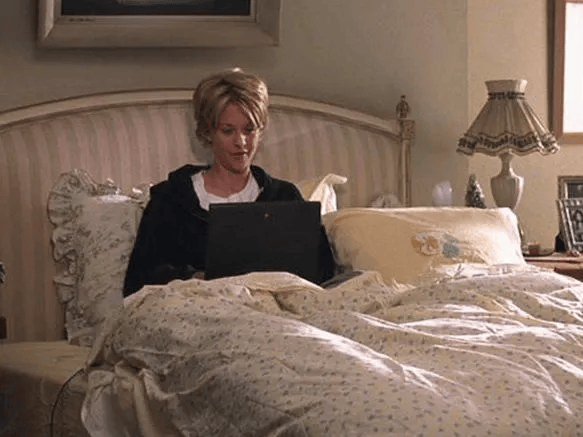
I love a good rom-com, but I have to admit that the romance is only part of the reason I keep coming back to them. I am far more likely to pause a movie to look at the wallpaper in the background, study the kitchen cabinets, notice what is sitting on a bookshelf, or wonder where I can find the lamp in the corner. Give me a great movie house, and I will happily spend the next two hours paying almost as much attention to the interiors as I do the plot.
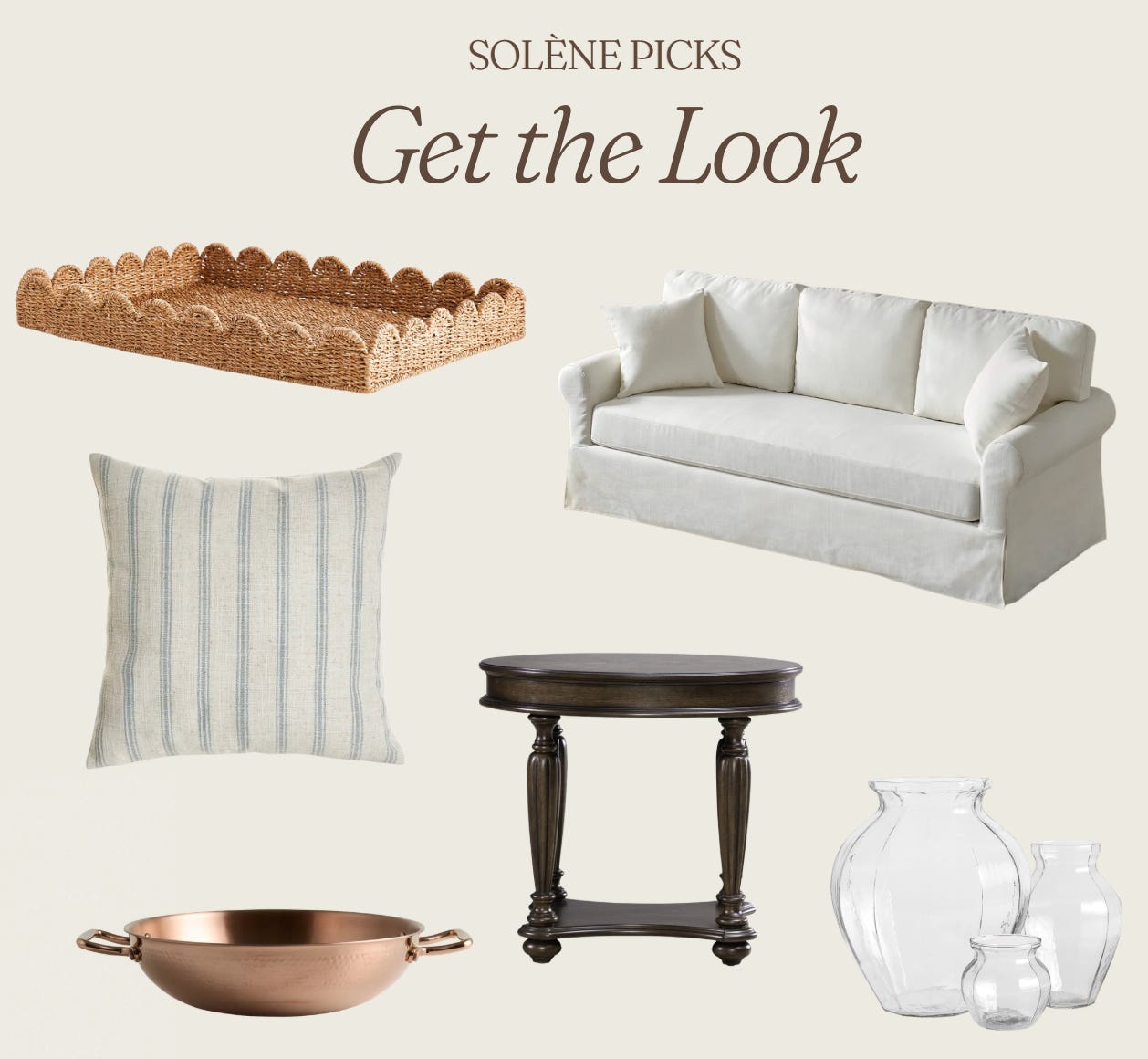
There is something especially fun about homes in rom-coms because they make a particular kind of life feel tangible. The best ones have personality, history, and all of those little details that make you want to know who lives there. And while I would happily move into several of these homes tomorrow, the real fun is figuring out what can actually be borrowed from them — a color combination, an old piece of furniture, a certain kind of lamp, a way of arranging books, or simply the feeling of a room. So I went back through some of my favorites and pulled out a few movie houses worth stealing ideas from:
Something’s Gotta Give (2003): The Hamptons Beach House
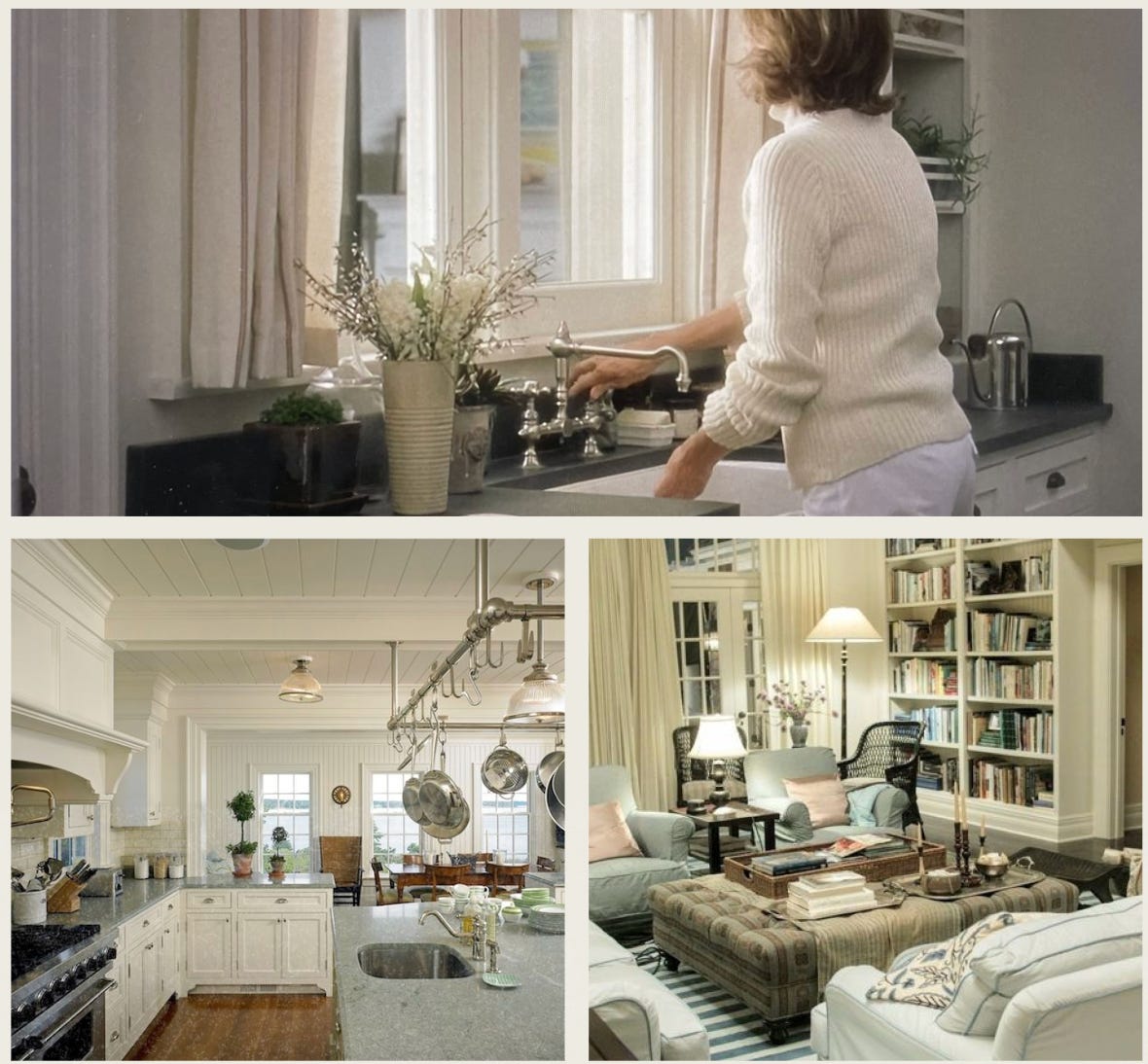
It’s difficult to talk about movie houses without talking about Erica Barry’s Hamptons home. The house has become almost as memorable as the movie itself, with its white shingles, dark green shutters, wide windows, and classic New England proportions giving it the feeling of a house that has been there forever. Inside, the look is distinctly Hamptons without becoming overly beachy: crisp white walls, pale blue upholstery, natural wood, ticking stripes, linen, woven baskets, stacks of books, and the occasional dark wood or antique piece give the rooms enough contrast to keep all that blue and white from feeling flat. The kitchen is especially unforgettable, with its oversized island, white cabinetry, open shelves, hanging copper pots, and generous windows overlooking the garden. There are slipcovered sofas you can actually imagine curling up on, books within reach, flowers in ordinary pitchers, and plenty of evidence that the rooms are meant to be used. That may be the secret to why the house still feels so appealing decades later: everything is beautiful, but nothing seems too precious to live with.
The Holiday (2006): Rosehill Cottage
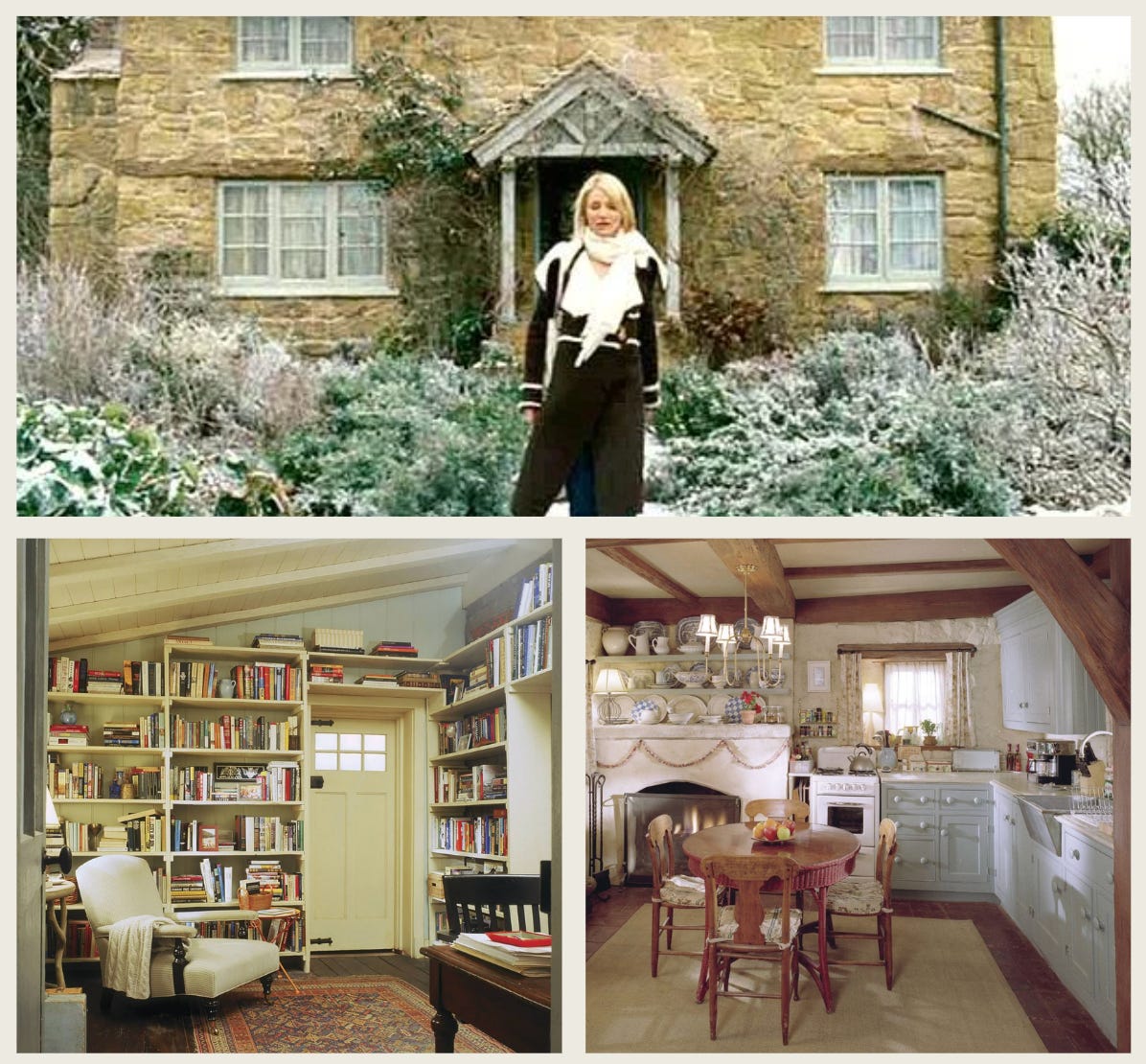
Rosehill Cottage has the kind of charm that makes you want to move in before you’ve even seen the kitchen. The low ceilings, exposed beams, mullioned windows, stone exterior, uneven walls, and tiny rooms give it that unmistakable English country-house character, while the interiors are filled with warm wood, worn finishes, floral fabrics, books, old paintings, and mismatched furniture that make everything feel accumulated over time. The kitchen is especially memorable: painted cabinetry, open shelving, copper pots, wooden worktops, and a generous farmhouse table give it the feeling of a room that has always been at the center of the house. Even the fireplaces and slightly crooked details contribute to its appeal. Nothing is perfectly coordinated, and that is precisely what makes it feel believable. Rosehill Cottage feels like a home with a past, full of objects that have been kept because someone loved them rather than because they happened to match the room. It is the English-country side of the SOLÈNE world: romantic, traditional, a little imperfect, and deeply comfortable without ever needing to announce itself as “cozy.”
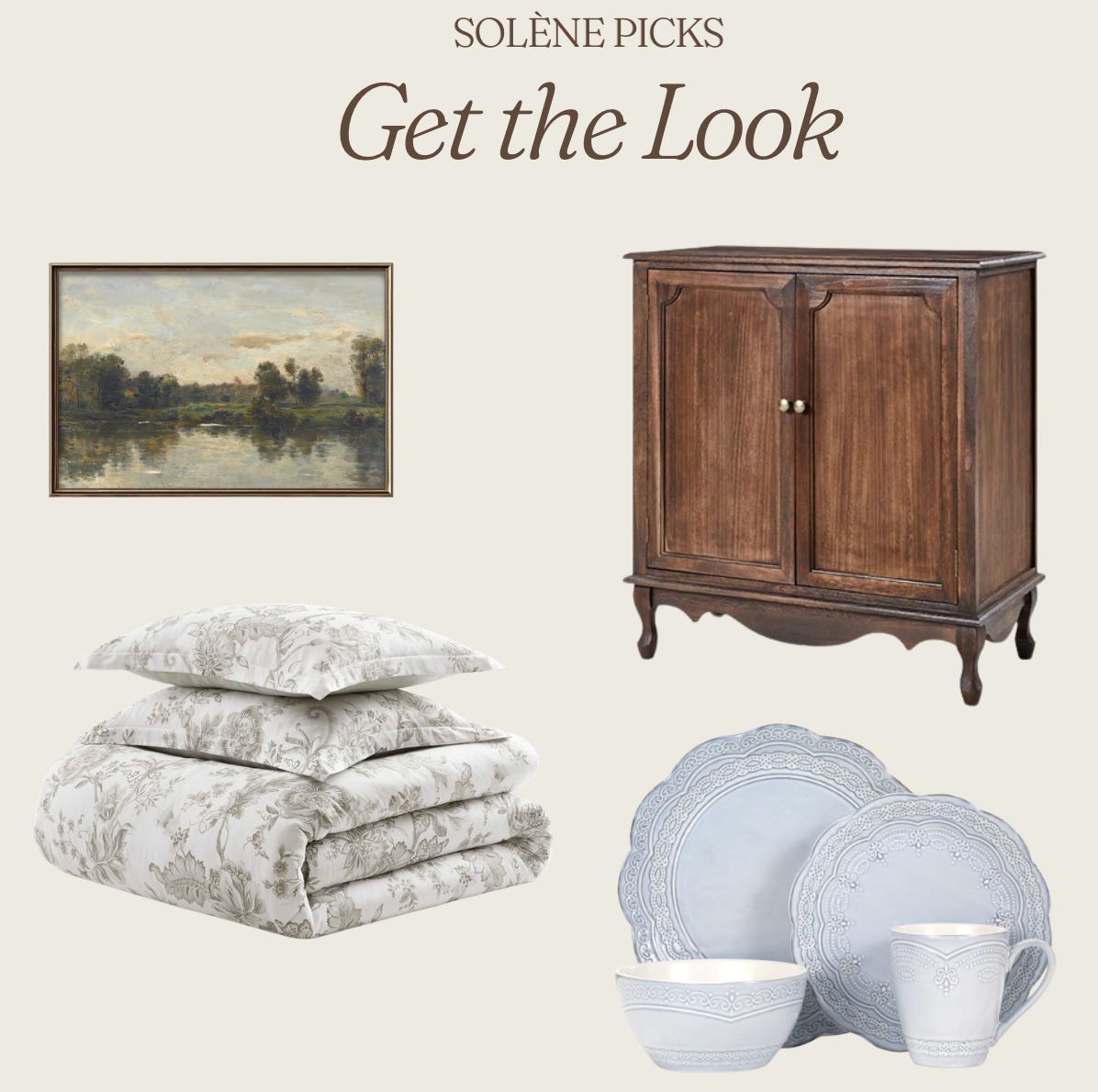
You’ve Got Mail (1998): Kathleen Kelly’s Upper West Side Brownstone
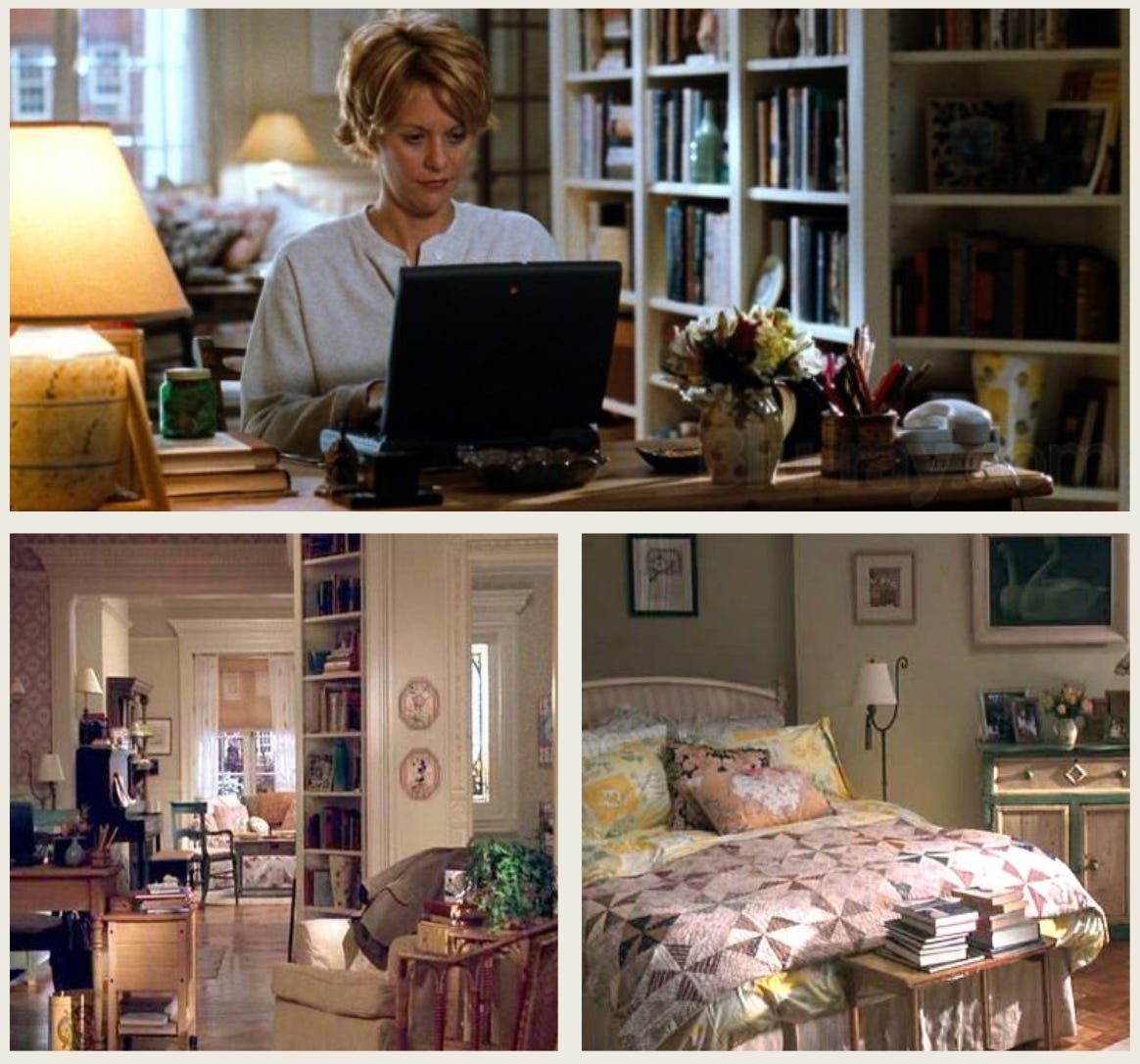
Kathleen Kelly’s brownstone apartment is one of those movie homes that feels instantly personal because it seems to have been shaped around the person actually living there. The rooms are warm and layered, with honey-toned wood floors, bookshelves crowded with novels, patterned upholstery, floral fabrics, framed art, and the kind of slightly mismatched furniture that makes a space feel collected over years rather than furnished in a weekend. Her living room has that particularly New York combination of traditional details and everyday clutter: books stacked on tables, lamps casting warm pools of light, comfortable seating, and little objects that give the eye somewhere to wander. Even the colors feel distinctly autumnal — warm browns, creams, muted reds, and soft greens — creating a home that feels literary without becoming overly themed. What makes it memorable is how much personality comes through in the details. You can almost imagine Kathleen choosing each book, keeping each chair, and rearranging the room around her life. It is a wonderful reminder that a beautiful home becomes much more interesting when it reflects the person who lives there.
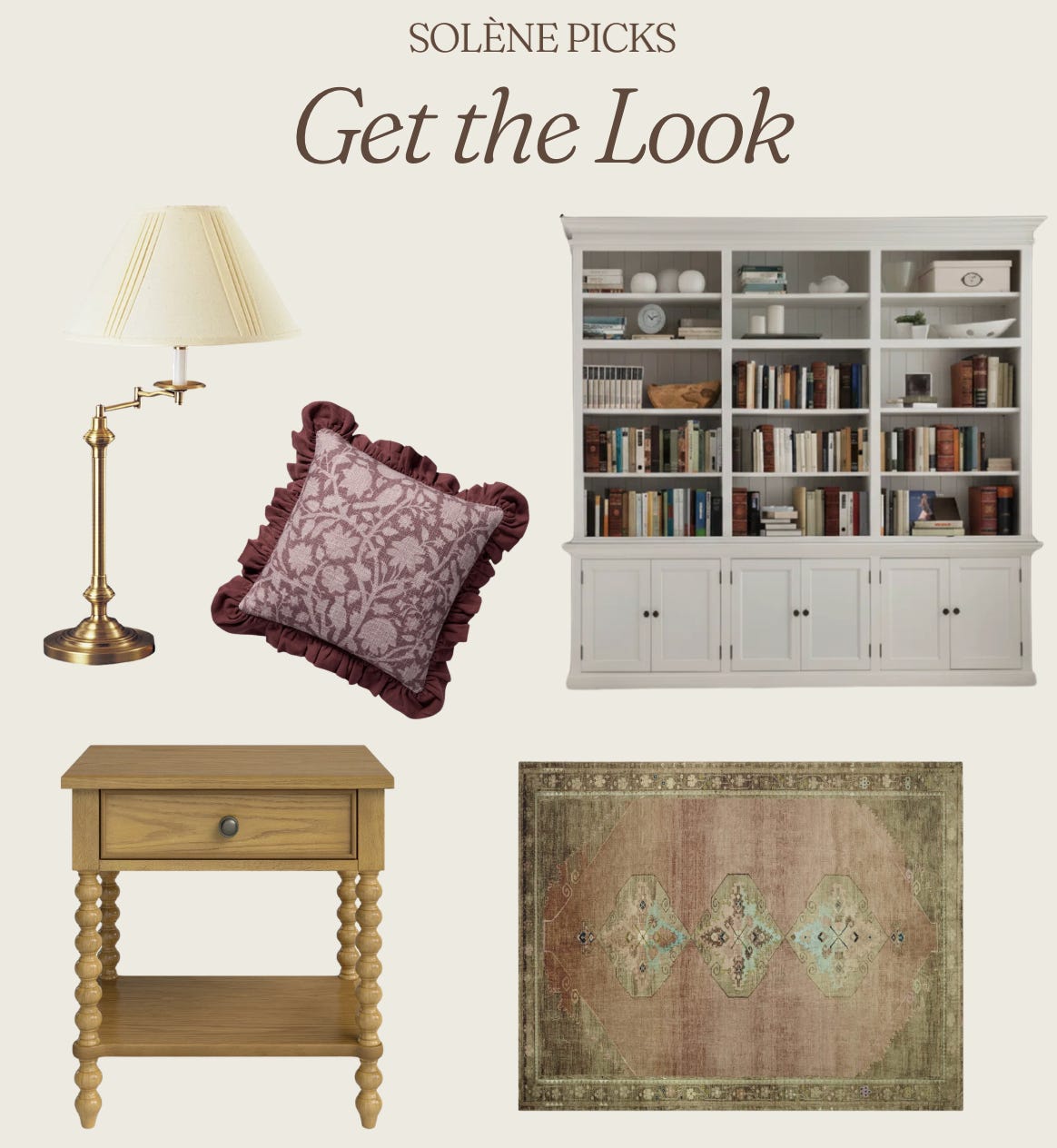
When Harry Met Sally… (1989): Sally’s Manhattan Apartment
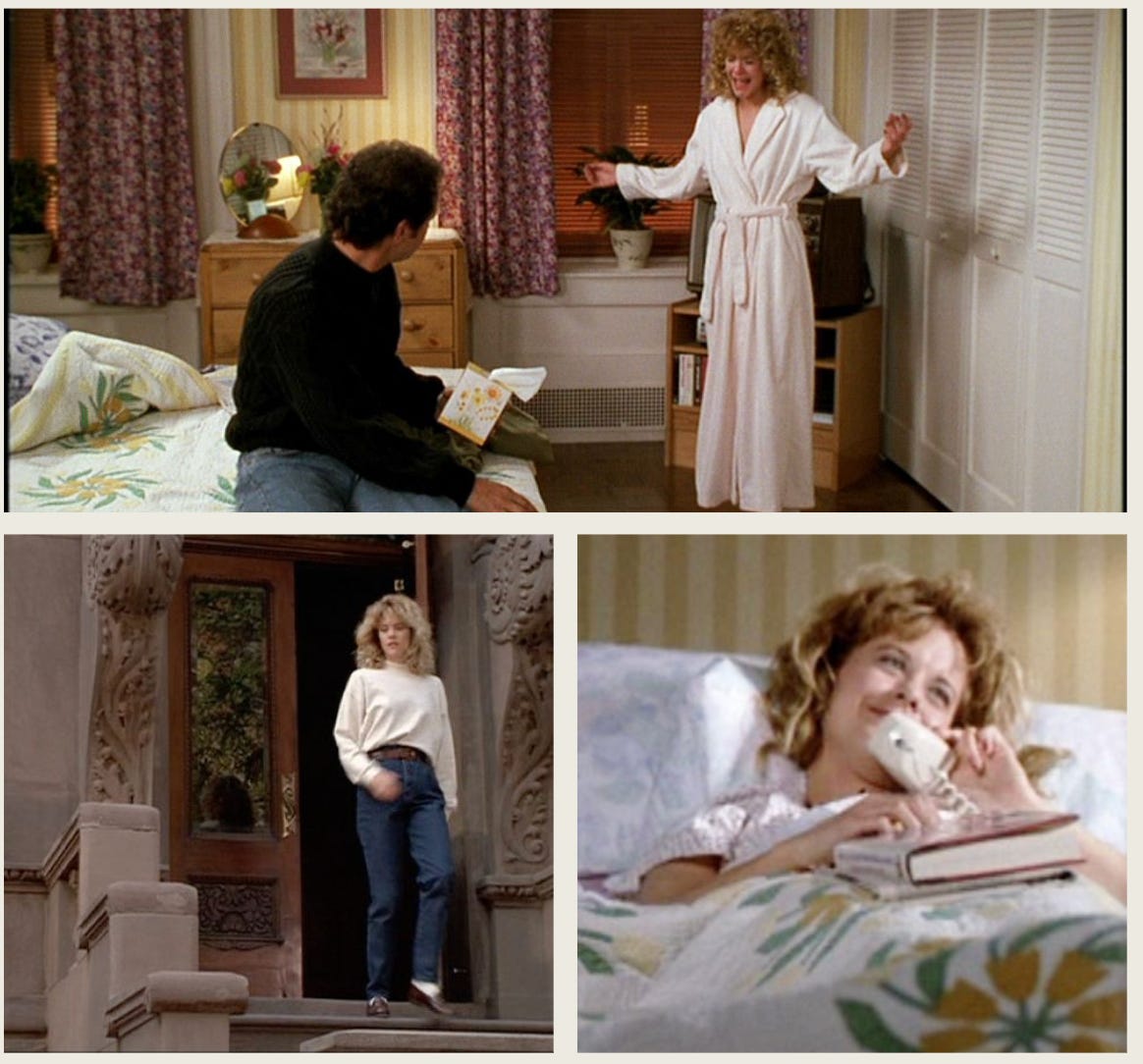
Sally Albright’s apartment captures a version of New York decorating that feels almost impossible to recreate on purpose because it looks so naturally lived in. The rooms are warm without being dark, traditional without feeling formal, and filled with the kinds of details that accumulate when someone has been living somewhere for a while: bookshelves packed with books, framed artwork, wooden furniture, patterned fabrics, table lamps, baskets, and textiles layered over comfortable seating. There is a wonderful mix of cream, rust, burgundy, ochre, and brown throughout the interiors, with enough pattern and texture to make the rooms feel full without becoming visually chaotic. The furniture has a collected quality, too — a classic sofa here, a wooden chair there, a small side table that looks as though it came from somewhere else entirely. Nothing screams “design moment,” which is exactly why it still feels so charming. The apartment belongs to a particular era of New York life when homes were allowed to be personal, slightly cluttered, and deeply connected to the routines of the people living in them. It feels like the sort of place where you could spend an entire rainy afternoon reading on the sofa.
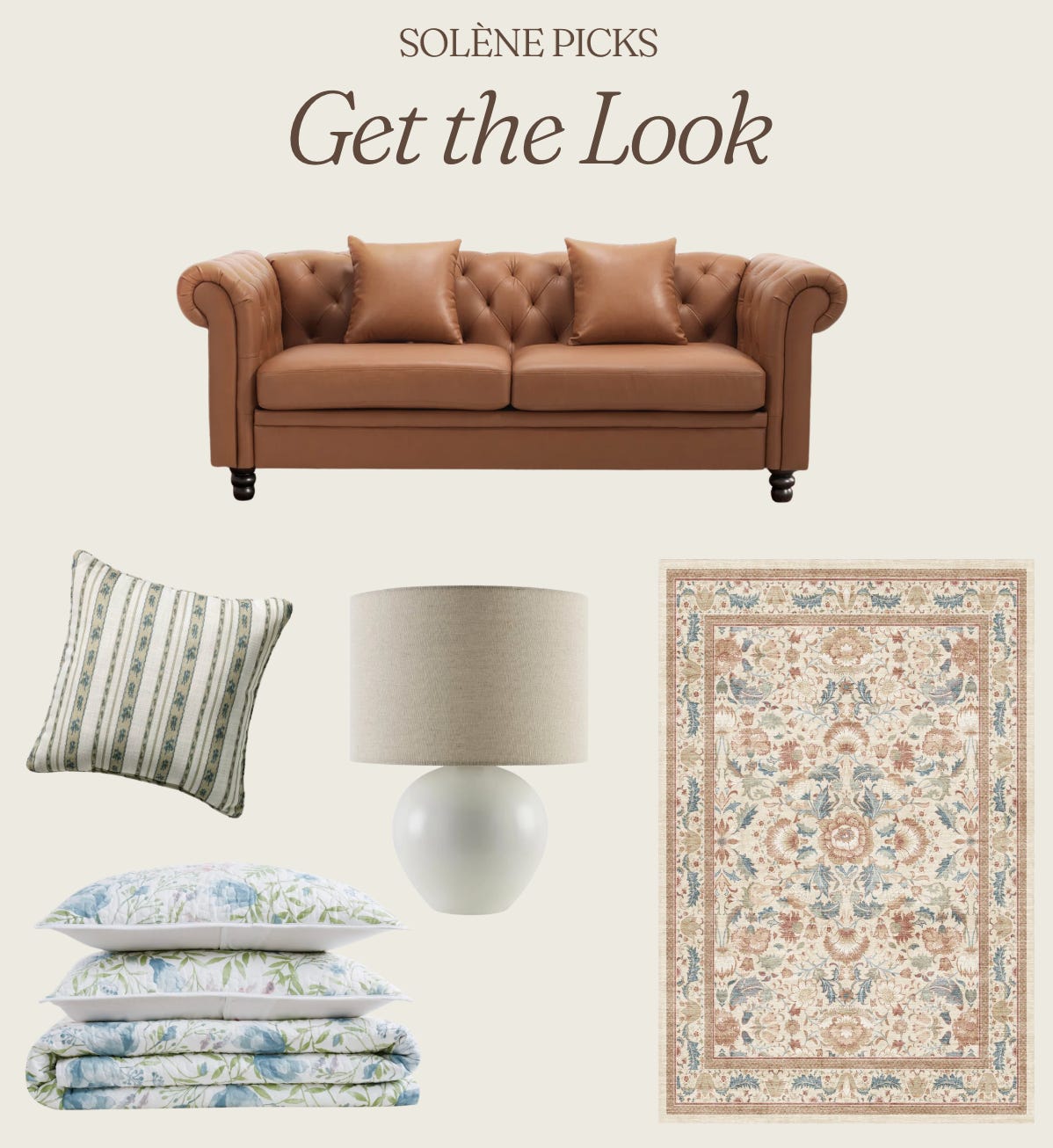
Father of the Bride (1991): The Banks Family House
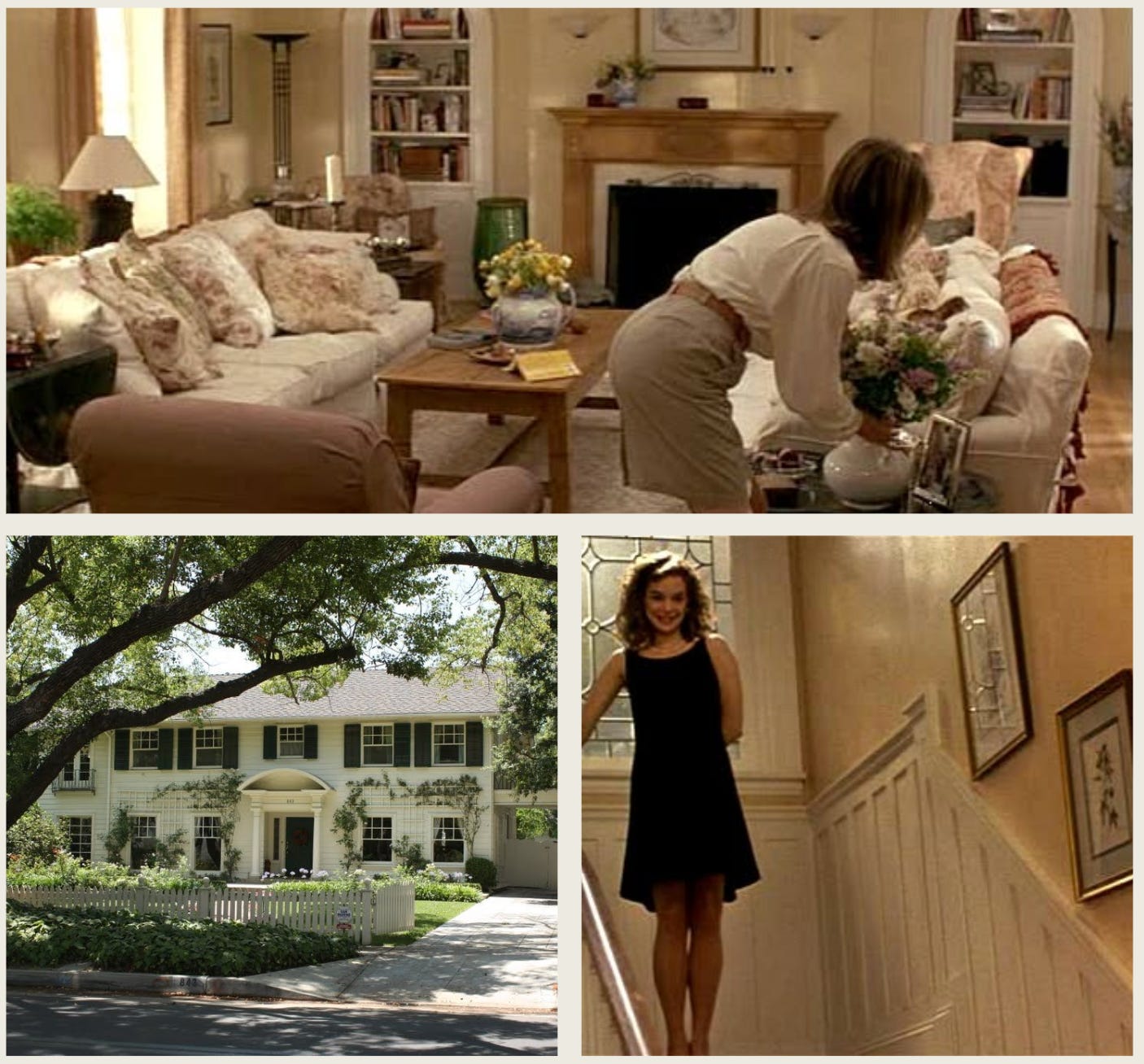
The Banks family home is the American family house at its most romantic: a classic Colonial with white siding, green shutters, a generous front lawn, climbing roses, and the kind of backyard that seems made for summer dinners and family gatherings. Inside, the house carries that same traditional warmth, with cream walls, dark wood furniture, floral fabrics, framed artwork, and a kitchen that feels like the true heart of the home. The kitchen in particular has an unmistakable old-fashioned charm, with white cabinetry, copper cookware, wooden accents, and plenty of room for people to gather while something is always happening on the stove. There is a formality to the architecture, but the rooms never feel stiff because family life is clearly allowed to take over: flowers, photographs, dishes, books, and everyday objects fill the spaces. Even the backyard feels like part of the house, with its pool, mature landscaping, and long table ready for a celebration. The whole property has an almost storybook quality, but its appeal comes from how thoroughly it represents a real American home — traditional, welcoming, a little busy, and built around the people who live there.
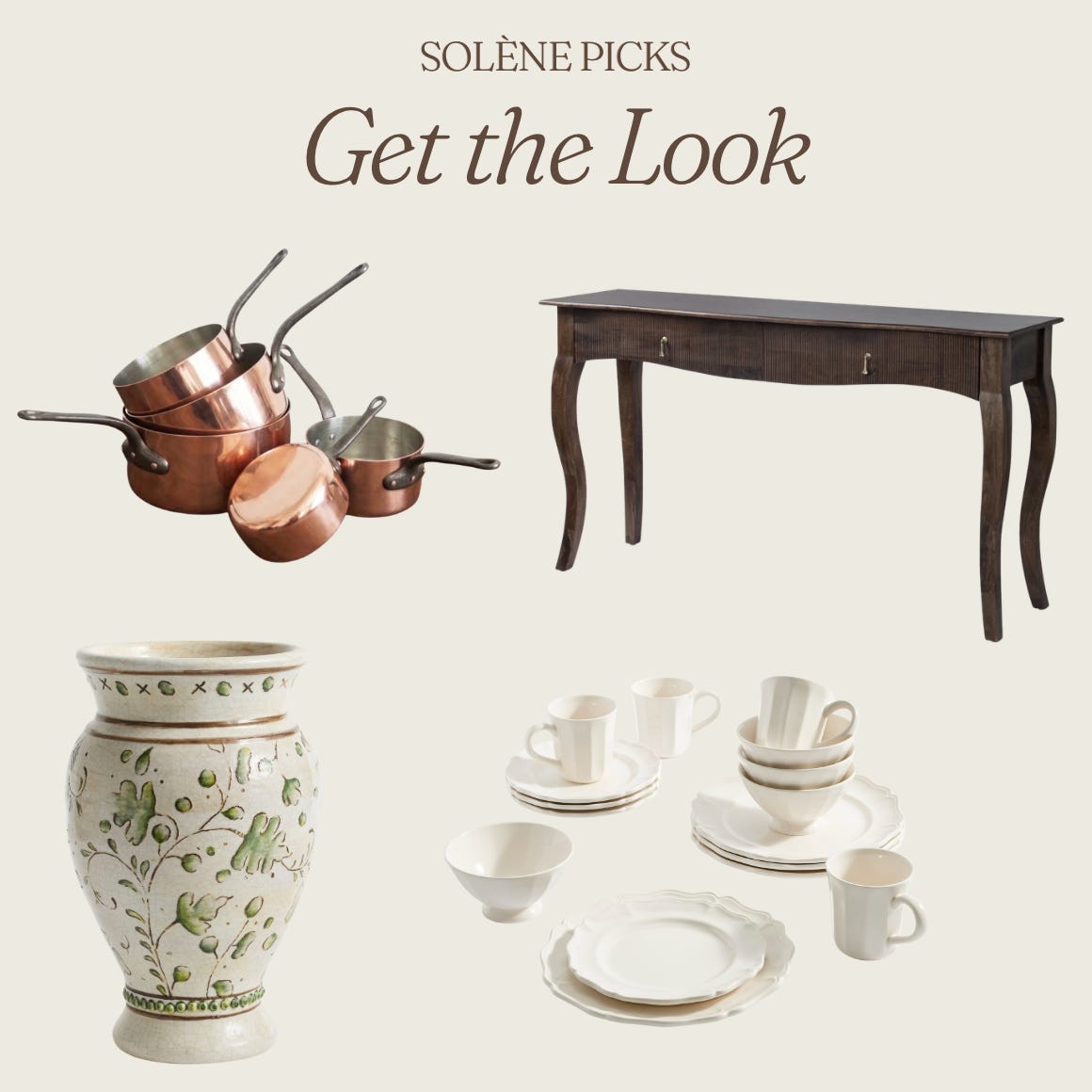
It’s Complicated (2009): Jane’s Santa Barbara Ranch House
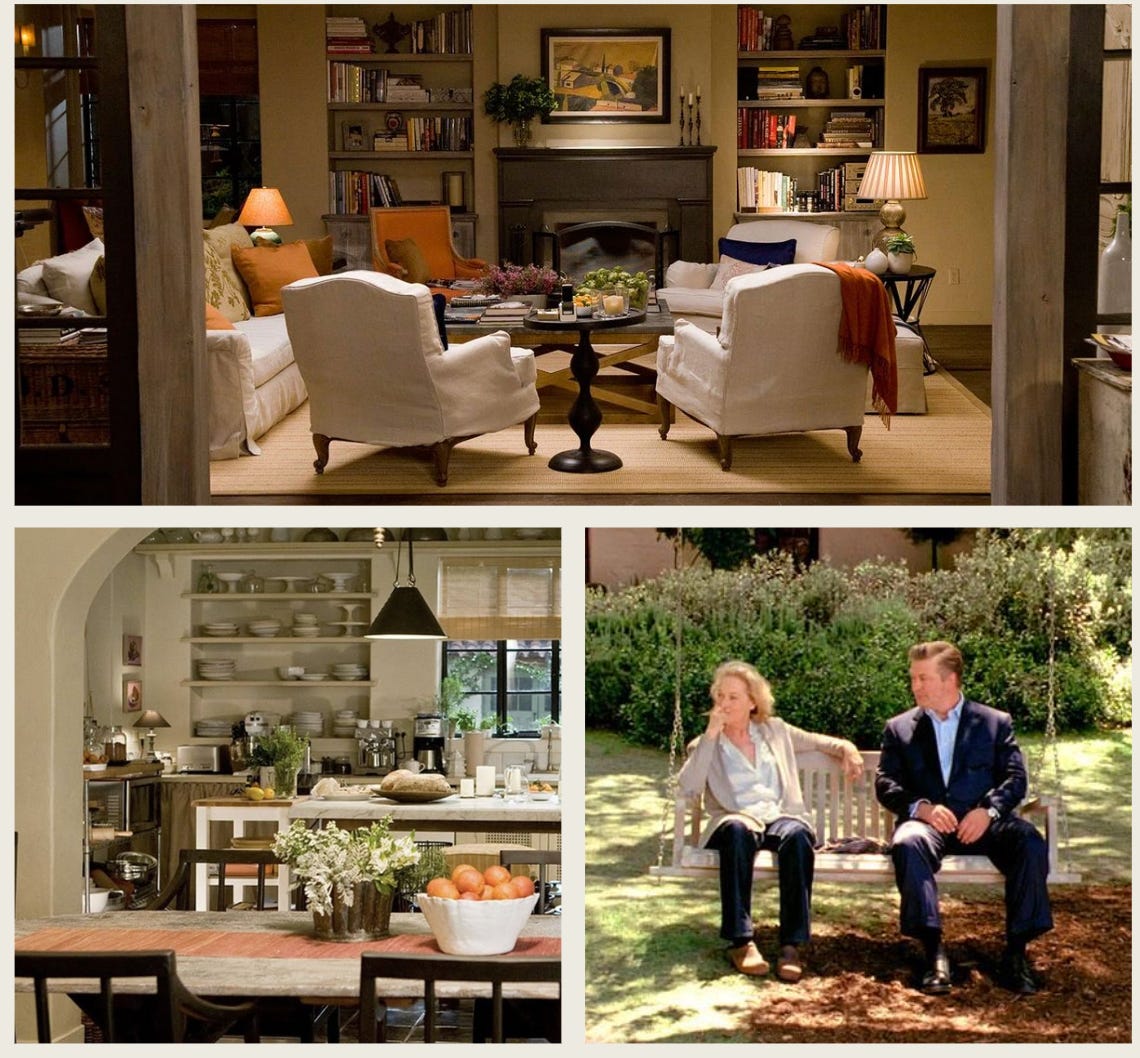
Jane Adler’s Santa Barbara home has been my dream house and interior ever since I first saw It’s Complicated. It has the warmth and ease of a California ranch house, but there is so much more going on than the usual idea of “California casual.” The Spanish-style architecture, arched doorways, terracotta tile, plaster walls, dark wood beams, and generous windows give the house a strong sense of place, while inside, white cabinetry, open shelving, aged wood, woven textures, linen, and antique pieces keep everything feeling relaxed and collected. The kitchen is the real star: enormous, bright, and deeply practical, with a long island, open shelves filled with dishes and cookware, pendant lights, and enough room for several people to gather while dinner is being made. Outside, the gardens feel equally important, with stone paths, mature greenery, climbing plants, and little places to sit that make the property feel connected to the landscape. What makes the house so unforgettable is the balance between rustic and refined. It is beautiful without feeling formal, traditional without feeling old-fashioned, and comfortable without relying on a deliberately “cozy” look. More than any other house on this list, it feels like a place where you could genuinely want to spend your life.
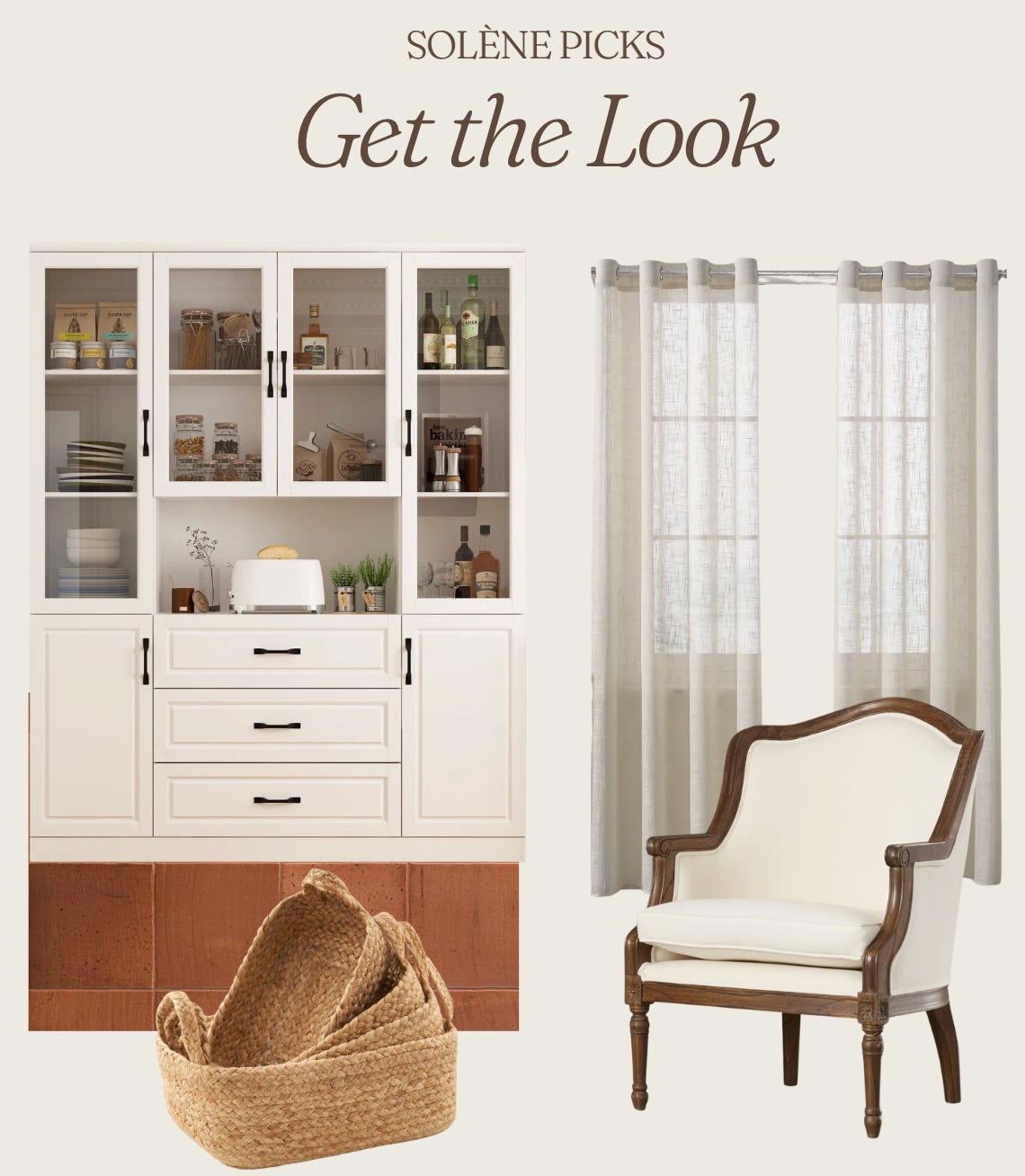
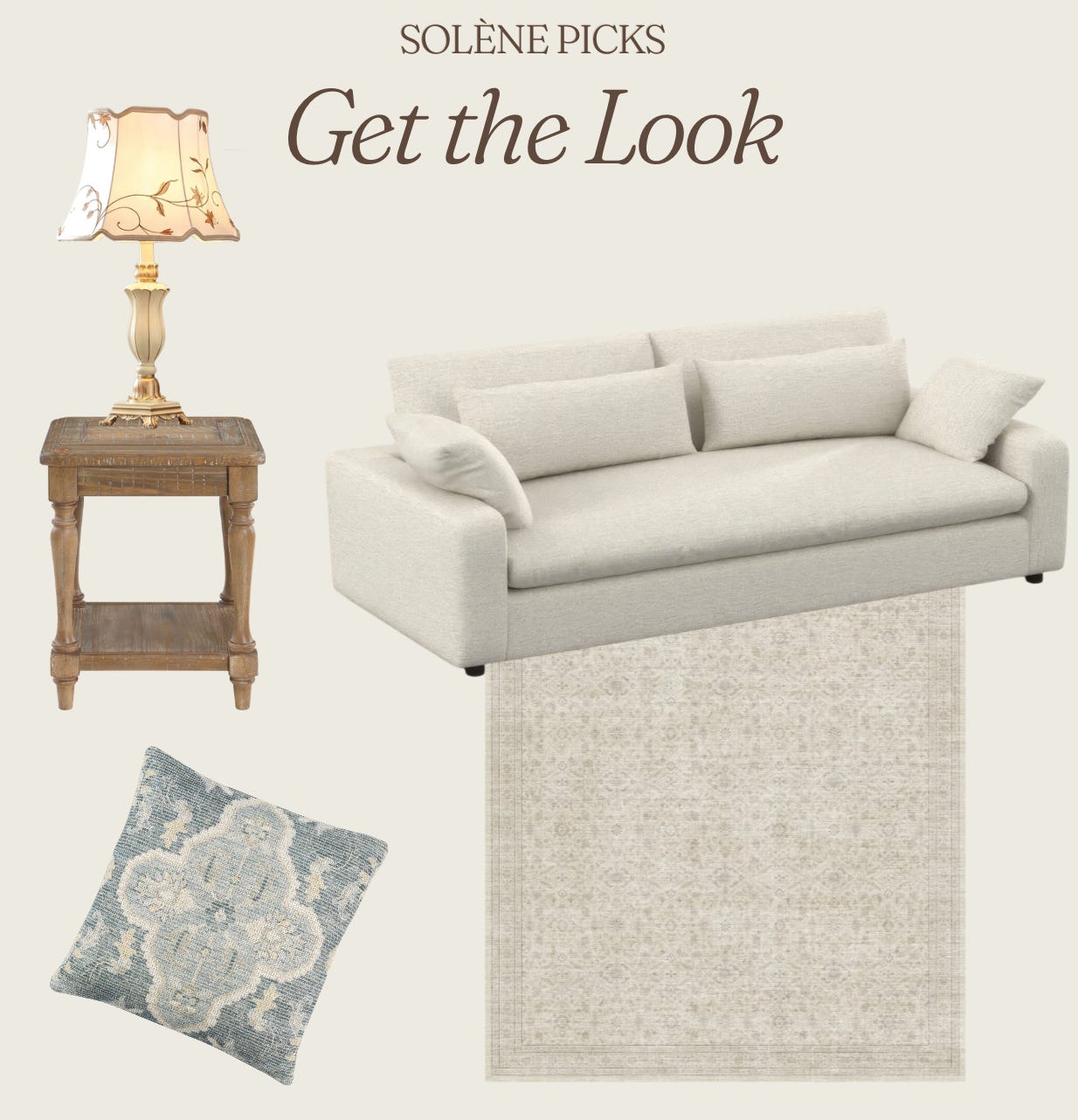
The Wedding Planner (2001): Mary Fiore’s San Francisco Apartment
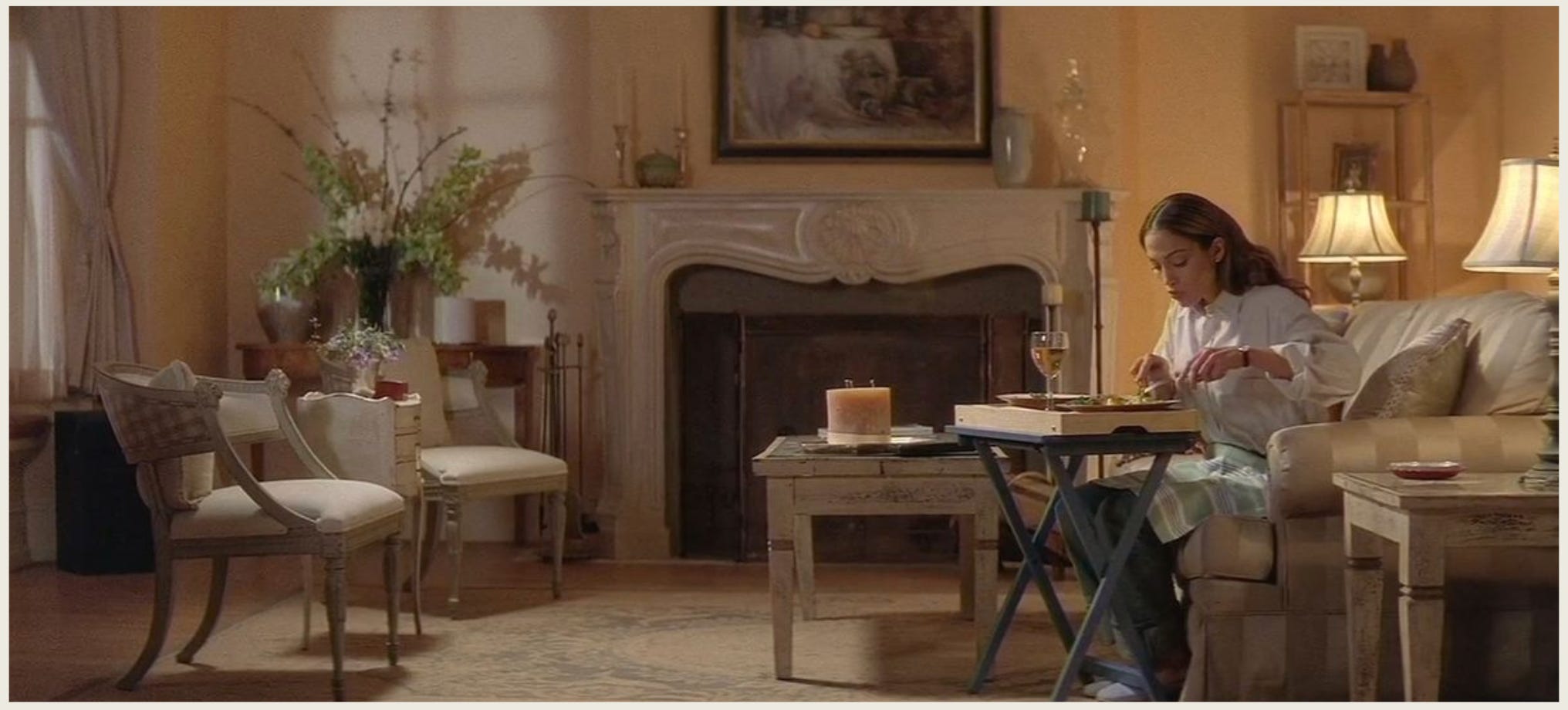
Mary Fiore’s San Francisco apartment brings the movie-house fantasy down to a much more attainable scale, and that is part of what makes it memorable. The space feels compact, warm, and genuinely lived in, with rich wood tones, comfortable upholstered furniture, patterned textiles, framed pictures, books, and the little collections of things that naturally accumulate in a home over time. There is a sense of softness throughout the apartment, from the layered fabrics to the warm lighting, while traditional furniture keeps it from feeling overly contemporary or minimal. Rather than relying on grand architecture or enormous rooms, the apartment gets its character from the details: a well-loved sofa, a small dining area, shelves filled with personal objects, lamps that make the rooms glow in the evening, and artwork that feels chosen rather than bought as a matching set. It is a good reminder that the collected look has very little to do with the size of your home. A small apartment can have just as much personality as a sprawling house when you give it time, texture, and things that actually mean something to you.
The Parent Trap (1998): The Napa Valley Ranch
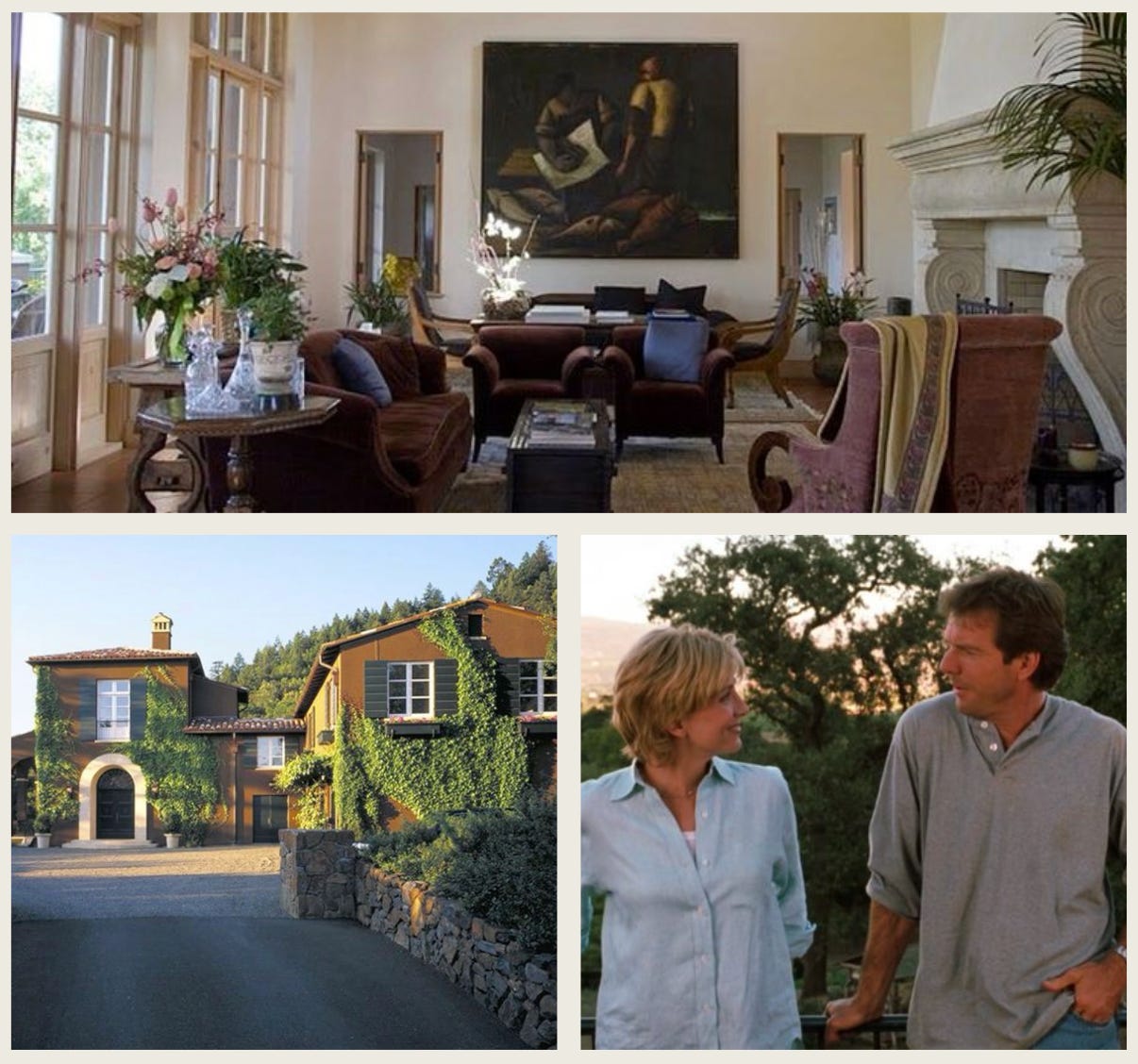
Nick Parker’s Napa Valley ranch is another one of those movie houses that made me want to move somewhere I had never been. It has the relaxed grandeur of a Northern California country property, with its stone and timber architecture, sprawling vineyard setting, enormous windows, fireplaces, and gardens that seem to disappear into the landscape. Inside, the house mixes rustic materials with traditional furniture in a way that feels especially effortless: warm wood, leather, woven rattan, linen, natural stone, antique pieces, and plenty of comfortable seating give the rooms a collected, lived-in quality. The indoor-outdoor connection is a huge part of its appeal, with terraces, French doors, and expansive views making the surrounding landscape feel like another room of the house. Even the children’s spaces have that wonderful combination of imagination and character, with four-poster beds, quilts, old-fashioned furniture, and little details that make the house feel like it has belonged to a family for generations. It is another personal favorite, and high on my list of fictional homes I would happily move into tomorrow. More than anything, the ranch captures a particular kind of California country living that feels generous and grounded: beautiful materials, plenty of history, a garden outside the window, and a house that is clearly meant to be filled with people.
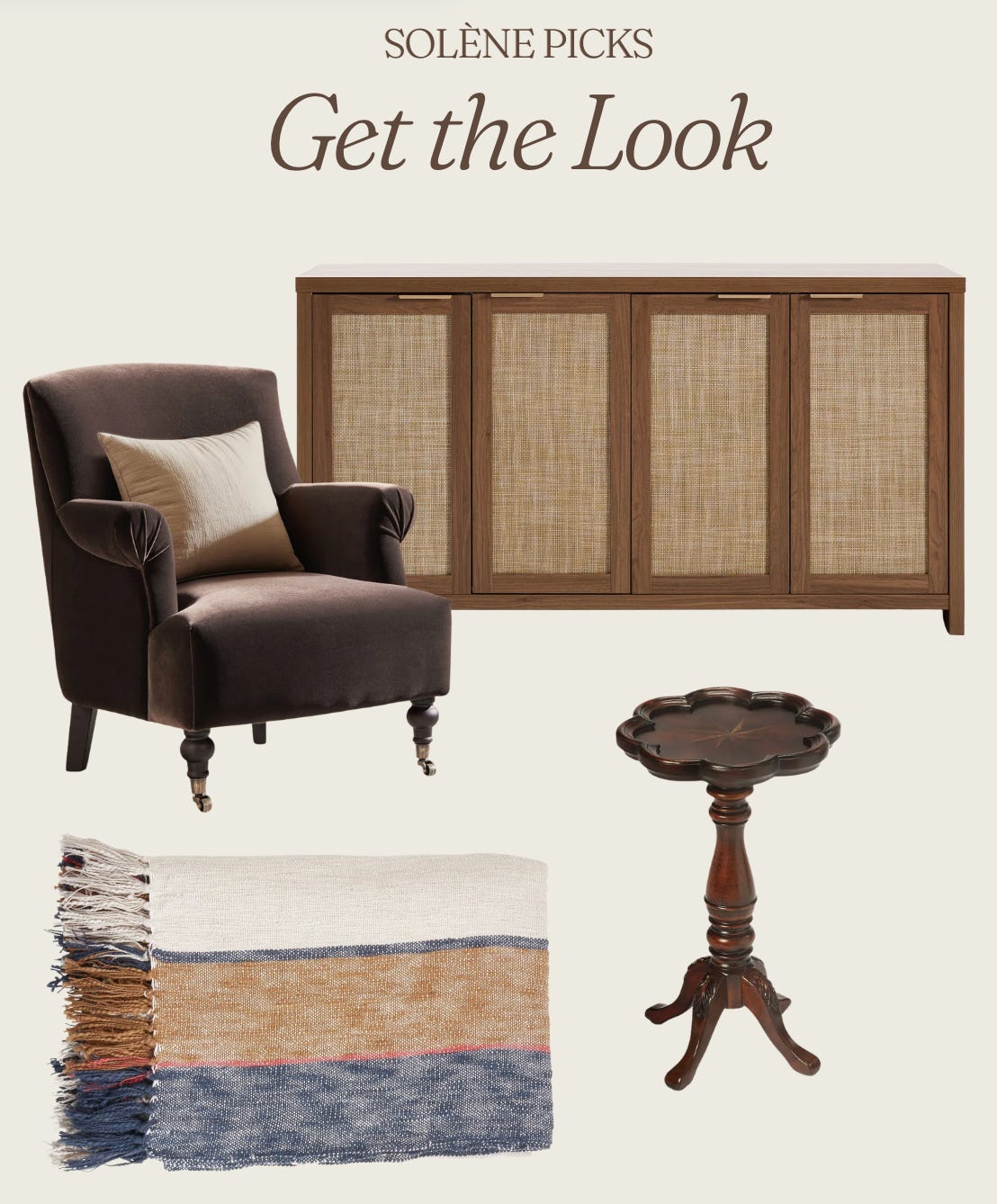
Some of the links in this post are affiliate links, which means I may earn a small commission if you purchase through them, at no extra cost to you. I only share things I genuinely love and think are worth bringing into your home.
 SOLÈNE AVENUE
Leave a comment